
Digital identity wallets explained: What businesses need to know
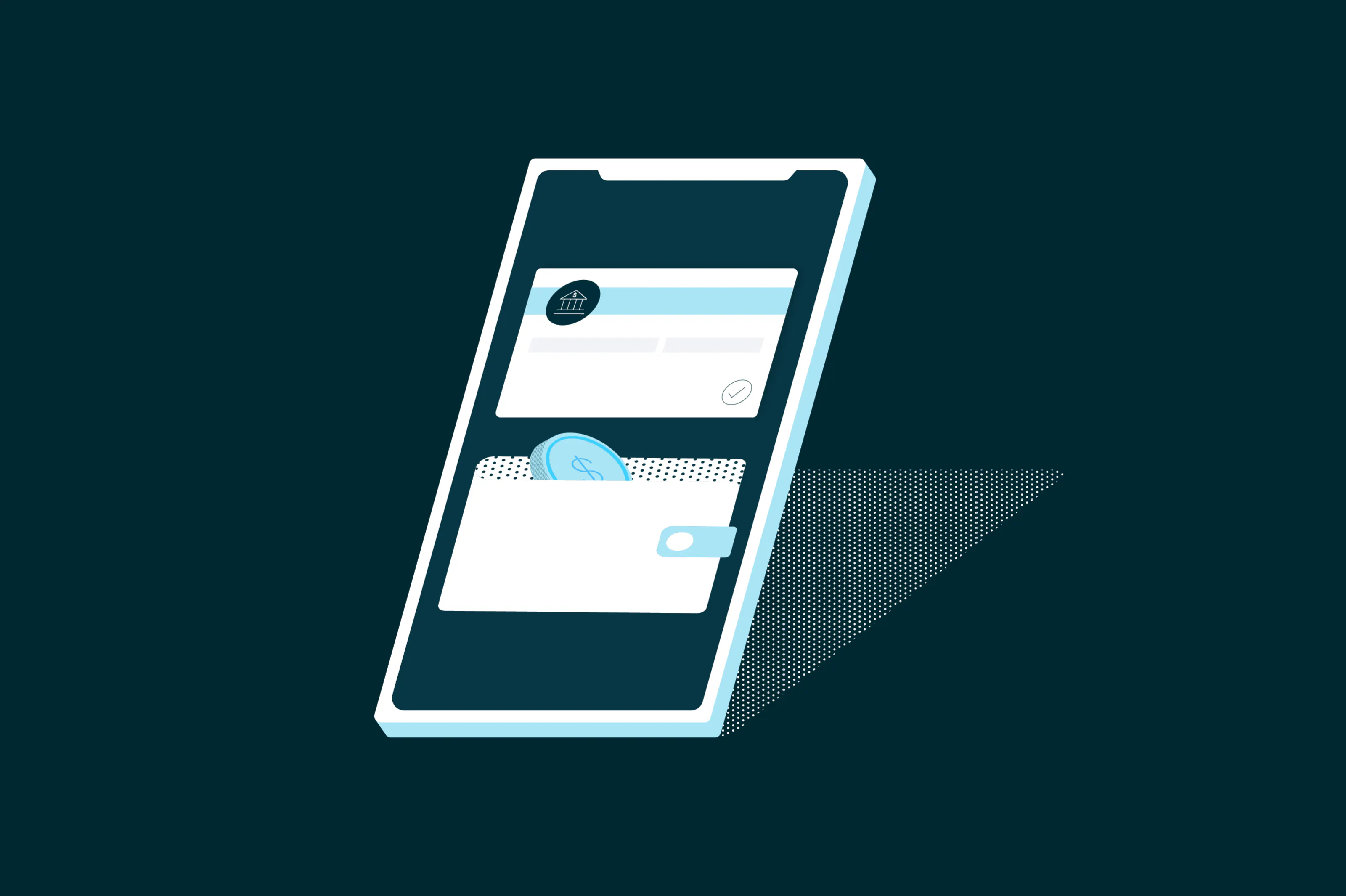
Digital ID wallets let individuals store and share verifiable credentials from their phone. We explain how they work, where governments and businesses are adopting them, and what organizations should do now to prepare.
4 [{"lang":"fr-fr","url":"/fr/blog/digital-identity-wallets-explained/"},{"lang":"pt-pt","url":"/pt/blog/digital-identity-wallets-explained/"},{"lang":"es-es","url":"/es/blog/digital-identity-wallets-explained/"},{"lang":"vi","url":"/vi/blog/digital-identity-wallets-explained/"}]You can also read this article in Français, Português, Español and Tiếng Việt.
Table of contents
- 1. What is a digital identity wallet?
- 2. What types of credentials can a digital ID wallet store?
- 3. Why digital ID wallets matter for your businesses
- 4. How does a digital ID wallet work?
- 5. Where digital ID wallets are being adopted
- 6. Preparing your organization for digital identity wallets
Share this post
Most business professionals are familiar with digital wallets in the context of payments. Apple Wallet and Google Wallet have made it common to store things like credit cards and boarding passes on a mobile device.
That concept is expanding. In some locations, digital wallets can now hold government-issued identification. Separate applications, often called digital ID wallets, are being developed to store identity credentials. That means the focus is no longer just payments. It is identity.
As more business processes move online, such as onboarding, document signing, licensing, and compliance checks, the ability to verify identity digitally becomes part of operational infrastructure. For businesses that depend on identity verification, this represents a change in how digital trust is established. Understanding what digital ID wallets are, how they work, and where they are being adopted helps organizations prepare for that shift.
What is a digital identity wallet?
A digital ID wallet is a secure application, typically on a smartphone or other device, that allows individuals to store and present identity credentials in digital form.
Those credentials are issued by trusted organizations, such as governments, universities, employers, or professional licensing bodies. Unlike uploading a scanned passport or driver’s license, verifiable credentials in a digital ID wallet are issued in a structured digital format that allows businesses to verify authenticity electronically.
The key difference between a digital ID wallet and traditional credential sharing lies in how the verification happens. While the latter is heavily manual, a digital ID wallet holds credentials that can be validated electronically at the time they are shared. Digital ID wallets confirm identity attributes, such as age, professional licensing, and education.
For businesses, the shift to digital ID wallets changes how identity verification can be handled in increasingly digital workflows.
What types of credentials can a digital ID wallet store?
A digital ID wallet can store a range of credentials issued by trusted authorities. The scope of exactly what is included depends on several factors, but some categories are already emerging as common.
- Government-issued identity credentials: These include national ID cards, mobile driver’s licenses, and other official forms of identification.
- Proof of specific attributes: A credential can represent a single attribute, such as age, residency, or eligibility.
- Professional licenses and certifications: Licensing bodies and professional associations can issue digital credentials confirming that an individual holds a valid qualification.
- Academic credentials: Diplomas and transcripts can now often be issued digitally for electronic verification.
- Employment verification: Employers can issue credentials confirming employment status, role, or tenure.
Why digital ID wallets matter for your businesses
Identity fraud is a real risk and a measurable, growing cost. In the United States alone, identity fraud losses reached $47 billion in 2024, according to Javelin Strategy & Research.
Traditional verification methods rely on document uploads, manual review, and repeated checks. That process slows operations and creates friction for customers. It also requires businesses to collect and store sensitive personal data, often more than is actually needed, increasing data protection risk and compliance obligations.
Digital ID wallets introduce a different model. The digital credential is issued by a trusted authority and is validated electronically upon sharing. Manual inspection is reduced, and the amount of personal data shared can be minimized.
Regulatory momentum is also building. In the European Union, the revised eIDAS framework requires Member States to provide citizens with a European Digital Identity Wallet, with large platforms and regulated sectors expected to accept the wallets in later phases.
For businesses, the shift signals a change in expectations of how digital trust is established. Identity verification, overall, is moving toward standardized wallet-based credentials rather than static document-based checks.
How does a digital ID wallet work?
Digital ID wallets are built around a three-party trust model called the Trust Triangle: an issuer, a holder, and a verifier.
- Issuer: A trusted organization or authority, such as a government agency, university, or employer, issues a digital credential.
- Holder: The individual stores the credential in their digital wallet.
- Verifier: A business or organization requests proof of identity or a specific attribute and validates the credential electronically in real-time, ensuring that a recognized authority issued it, that it has not been altered, and that it remains valid.
This structure is reflected in the World Wide Web Consortium (W3C), which defines a standard for securely issuing and verifying digital credentials without requiring direct contact with the issuer each time they are presented.
Selective disclosure and data minimization
Selective disclosure is a key feature of many digital ID wallet systems.
Rather than sharing an entire identity document, a person can share only the information required for a specific interaction or transaction. For example, they can verify their age without revealing their full date of birth. In that case, the receiving organization gets digital confirmation that the age condition has been satisfied and that the proof is derived from a credential issued by a trusted authority. It can also confirm that the credential has not been altered. The full date of birth and any other unnecessary data are not disclosed to the receiving organization.
For businesses, digital ID wallets can reduce unnecessary data collection and limit exposure to sensitive personal information.
Where digital ID wallets are being adopted
Governments and large institutions in both public and private sectors are already deploying digital ID wallets in live environments.
Under the revised eIDAS framework, Member States of the European Union are required to provide a European Digital Identity Wallet by 2027. In the United States, several states already support mobile driver’s licenses in Apple Wallet, with additional rollouts underway.
In New Zealand, the government launched a digital identity wallet as part of the Govt.nz app in early 2026. The wallet is designed to hold accredited credentials such as proof-of-age cards and, eventually, digital driver's licenses.
Private sector use cases are expanding, too. Financial services firms are examining wallet-based credentials to support remote onboarding and Know Your Customer (KYC) requirements. The Bank for International Settlements, for example, has explored digital identity frameworks to improve efficiency in financial services. Universities are issuing digital diplomas. Employers and professional licensing bodies are using digitally issued credentials to confirm qualifications and employment status.
Preparing your organization for digital identity wallets
In many markets, digital ID wallets are still in the early stages of adoption. However, regulatory developments and industry movements indicate a broader shift toward digitally verifiable credentials.
If your business relies on any type of identity verification, the goal is to understand how verification models are changing and what you can do to prepare. As identity verification becomes more portable and standardized, businesses will need tools that work with digitally issued credentials. Instead of collecting and storing copies of identity documents, you should expect to begin being asked to accept digitally issued credentials. This may affect onboarding, vendor verification, contract execution, and compliance processes.
Lumin Sign is already building for this change. Verified Digital Signing brings government-issued digital credentials directly into the signing workflow, so you can confirm who's signing before a signature is applied.
Meet our author

Share this post