

AI licensing agreement generator
 Create a license agreement for softwareCreate a license agreement for an inventionCreate a license agreement for music
Trusted by some of the world’s biggest companies







How to create your licensing agreement
- 1

Write a prompt
Start by entering your intellectual property type, licensing terms, and usage restrictions. Our AI generator uses this information to create a tailored license agreement that protects your creative work and business interests.
- 2
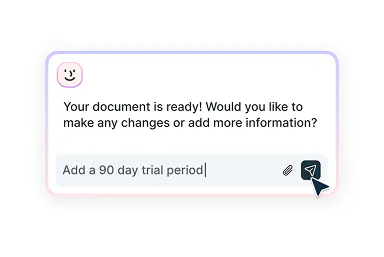
Customize with intelligent guidance
Want to adjust royalty rates, modify usage rights, or include specific territorial restrictions? Our AI assistant helps you fine-tune every section to reflect your licensing goals while maintaining legal protection.
- 3
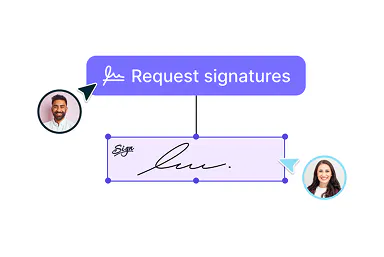
Download and sign
After reviewing and refining your license agreement, download the completed document that's professionally formatted and ready for signatures.
Licensing agreements made simple
Create, refine, then send on to sign

Generate comprehensive licensing agreements
Create detailed license agreements that protect your intellectual property rights and establish clear usage terms using our intelligent AI assistant designed for modern creators and business owners.

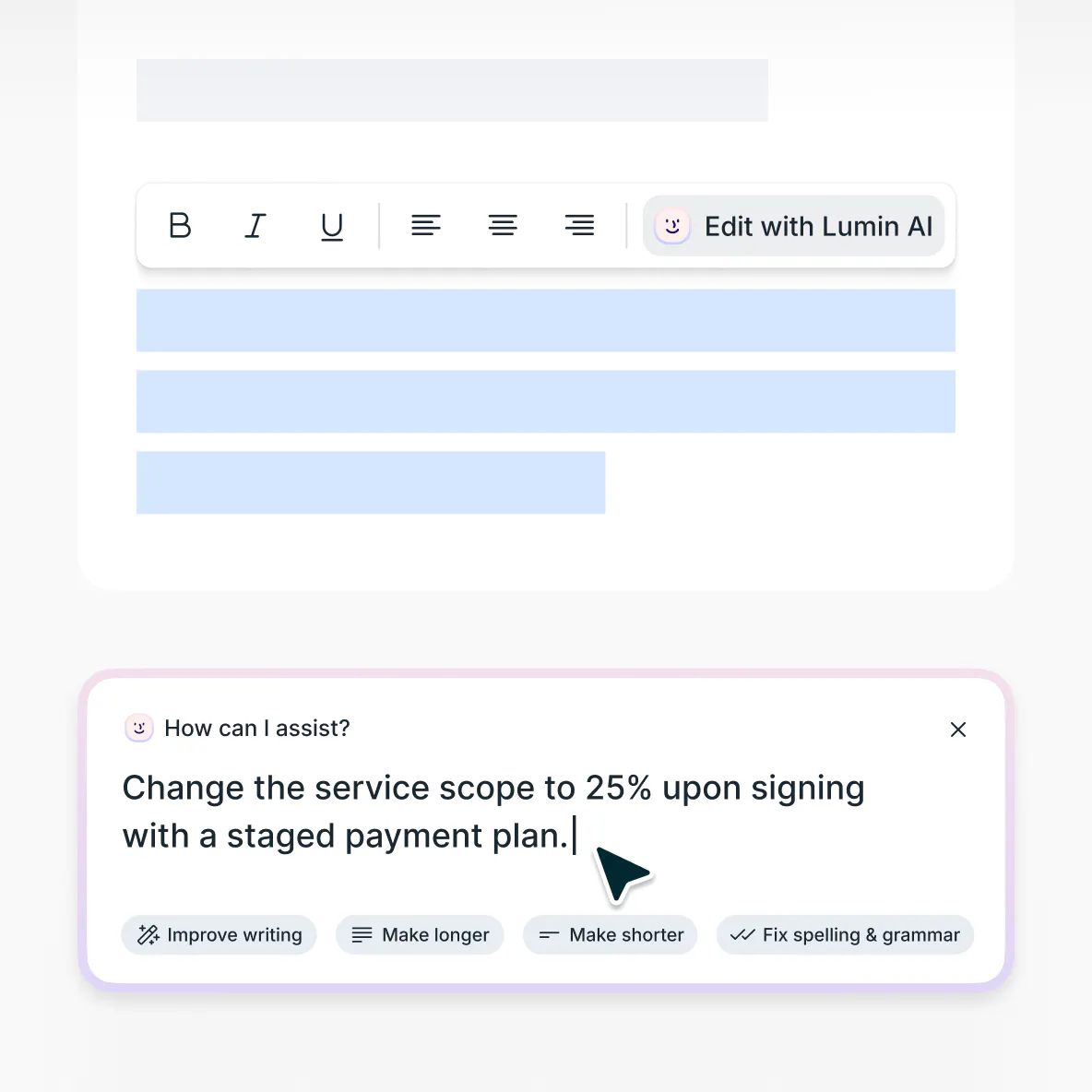
Refine with expert-level suggestions
Need guidance on licensing terms? Our AI provides smart recommendations to strengthen your license agreement and ensure comprehensive protection.

Send for signing
Send completed licensing agreements to licensors or licensees to collect legally-binding eSignatures — all managed within one seamless platform.

Modify existing agreements
Update outdated licensing agreements using our AI-powered editor. Upload your current license agreement template to make strategic revisions that reflect new licensing terms, expanded usage rights, or evolving business needs.
Enterprise-grade document security
Your sensitive intellectual property and licensing data are fully protected. Our platform is SOC 2 Type 2 and GDPR compliant, ensuring all client information remains secure and encrypted during transmission and storage.
Licensing agreements explained
A license agreement is a legal contract that grants permission to use, distribute, or modify intellectual property while the original owner retains ownership rights. Whether you're licensing software, creative content, patents, or trademarks, licensing agreements establish the terms, conditions, and limitations for how your intellectual property can be used by others.
License agreements function as your intellectual property protection document. They help prevent unauthorized use, establish payment terms, and protect your creative or business assets. They're crucial for monetizing intellectual property, controlling distribution, and ensuring proper attribution when others use your work.The most common types of licensing agreements include software licenses for digital products and applications, creative content licenses for artwork, photography, and written materials, patent licenses for inventions and innovations, trademark licenses for brand usage, and music licensing for commercial use.
Each licensing agreement example serves different industries and intellectual property types, with specific terms tailored to protect the licensor's interests while granting appropriate usage rights to licensees.The four fundamental licensing conditions typically include:
Scope of use: defining how, where, and when the intellectual property can be usedDuration: specifying the period the license remains active
Territory: establishing geographical limitations for usage
Exclusivity: determining whether the license is exclusive to one party or can be granted to multiple licensees.
These conditions form the foundation of every comprehensive licensing agreement and ensure both parties understand their rights and obligations.When creating your licensing agreement, including comprehensive provisions is crucial for both legal protection and operational clarity. Use this guidance to inform your prompts when using our generator tool.
Intellectual property description: Clearly identify the work, invention, or property being licensed with specific details and boundaries.Grant of rights: Define exactly what rights are being granted, including usage scope, distribution rights, and modification permissions.
Financial terms: Establish licensing fees, royalty rates, payment schedules, and any minimum payment requirements.
Usage restrictions: Set clear boundaries on how the property can be used, including territorial limits, industry restrictions, and prohibited uses.
Term and termination: Specify agreement duration, renewal options, termination conditions, and what happens to rights upon expiration.
Quality control: Include provisions for maintaining standards, approval processes, and compliance requirements.
Use this guidance to craft specific prompts for our licensing agreement generator. Include your intellectual property type, intended usage, and protection preferences to generate agreements that balance accessibility with comprehensive legal protection.The license agreement duration varies significantly based on the type of intellectual property and licensing terms. Licenses may be perpetual, lasting indefinitely, or set to expire after a specific period, ranging from months to years.
Many licensing agreements include renewal clauses, termination conditions, or automatic expiration dates. The license agreement format typically specifies the exact duration and any conditions that might affect the agreement's lifespan.A licensee's rights are specifically defined within the licensing agreement and typically include the right to use the intellectual property as outlined in the contract, the right to distribute or reproduce the work within specified parameters, and protection from infringement claims when using the property according to the agreement terms.
However, licensees generally cannot transfer these rights to others without permission, modify the original work beyond agreed terms, or use the property outside the scope defined in the license agreement sample.Many creators and business owners successfully draft their own licensing agreements — and with the right guidance, so can you. Our license agreement generator works like an AI assistant, helping you efficiently create a professional agreement that aligns with industry standards and legal requirements.
While it doesn't replace legal expertise, it streamlines the process and gives you a strong starting point. For complex intellectual property matters or industry-specific requirements, we still recommend consulting a qualified attorney.An enforceable licensing agreement must clearly define the rights being granted, usage limitations, and obligations of both parties while complying with intellectual property laws. Courts evaluate whether provisions are reasonable, properly executed, and don't violate public policy or existing legal frameworks.
The agreement must include valid consideration, be signed by authorized parties, and clearly specify the intellectual property being licensed to create binding legal obligations.
Licensing agreement templates
Want a ready-made template instead? Browse professionally drafted licensing agreement templates for software, intellectual property, trademarks, copyrighted works and other licensing arrangements.
Choose the template that best fits the type of license, then download a professionally prepared agreement ready to review, complete and sign.
Frequently asked questions
Our AI licensing agreement generator is completely free. You just need to create your free Lumin account to download a completed document or to exceed the number of prompts for guest users.
We prioritize your data privacy and security above all else. Your intellectual property information is safeguarded with advanced AES 256 encryption and stored in secure, enterprise-grade databases. None of your input is used to train AI models. It is only processed to generate your personalized licensing agreement.
Learn more about security at Lumin or read our AI ethics statement.The license agreement generator uses AI technology to create a personalized licensing agreement based on the information you provide about your intellectual property and licensing requirements.
As you fill out key details about your work and desired licensing terms, the tool helps draft a document tailored to your specific needs. You can review the agreement, make edits, and ensure it reflects your licensing objectives before finalizing.The licensing agreement generator creates professional documents tailored to a wide range of intellectual property types, including software and digital assets, creative content like artwork and photography, patents and inventions, trademarks and brand elements, and written materials.
Depending on the information you provide, the AI adjusts the language and provisions to match your specific intellectual property type and protection needs.No, you don't need legal experience to use this. Our AI assistant helps guide you through the process based on the information you provide, making it easier to create a clear and structured licensing agreement.
While the tool offers helpful support, it's not a replacement for legal expertise. For complex intellectual property situations or industry-specific requirements, we recommend consulting a qualified attorney.
Discover our products
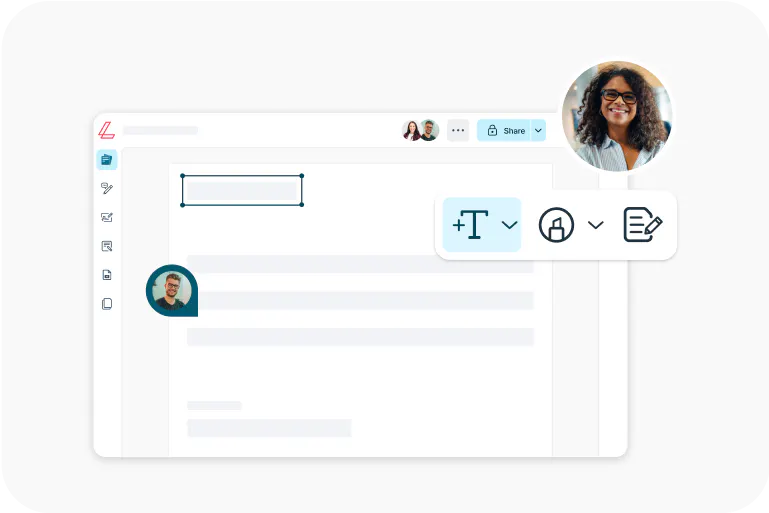
Lumin
An easy-to-use PDF editor that stands alone or integrates with Google Workspace.
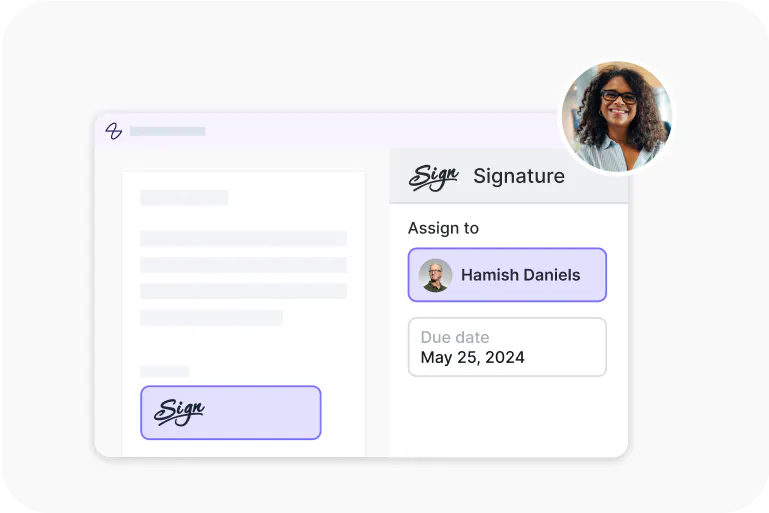
Lumin Sign
An eSignature workflow tool that seals deals with legally-compliant signatures.
Lumin Sign API
An eSignature API made to be plugged into your platform with minimal effort.